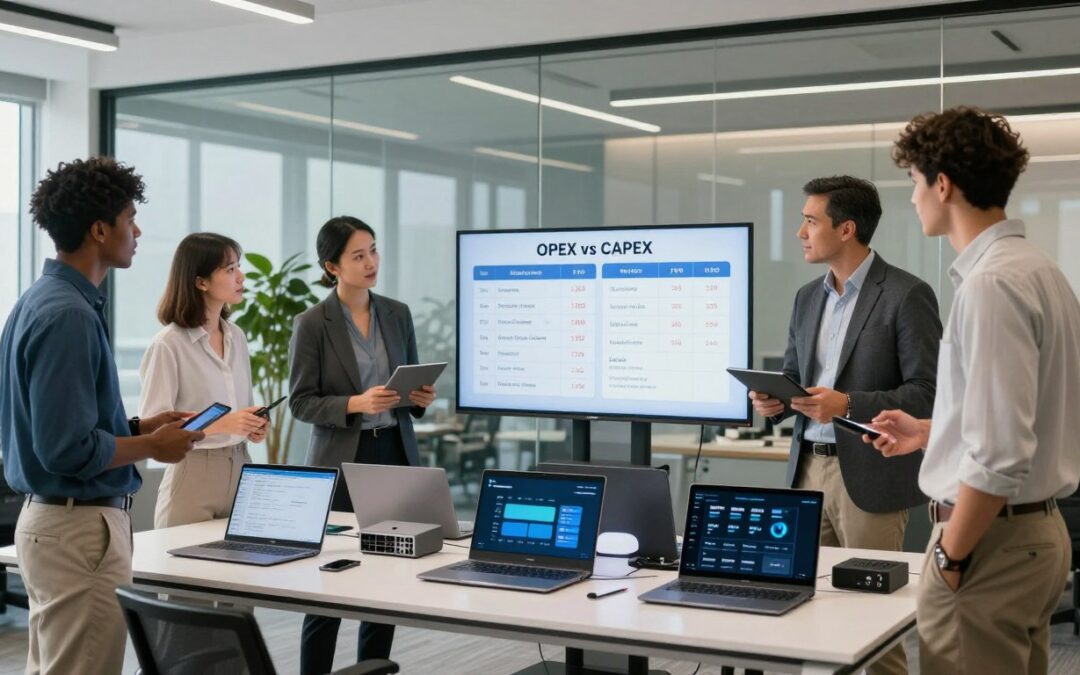
Did you know that nearly 70% of emerging Indian firms now prioritize flexible spending over owning heavy assets? This shift marks a major change in how a modern business handles its daily expenses.
We see more companies moving away from massive upfront investments in hardware. Instead, they choose models that keep their cash flow smooth and their technology current.
Understanding the capex opex divide is essential for any growing firm. Traditional purchasing often traps your capital in aging tools, while operational costs offer much better tax benefits and agility.
We believe that managing your expenses should never hold your growth back. By choosing to lease, you can lower your initial costs and access high-quality equipment without the burden of ownership.
At RentLappy, we have helped many clients across India optimize their tech business strategy. Our goal is to ensure your business has the right tools while you handle recurring expenses. We bridge the gap between complex capex opex choices and simple solutions.
Key Takeaways
- Understand the core differences between capital and operational spending models.
- Improve your cash flow by moving away from large upfront hardware purchases.
- Discover how flexibility allows Indian firms to scale their technology quickly.
- Maximize tax benefits through recurring operational expenditure models.
- Learn why leading brands trust RentLappy for high-quality device solutions.
- Save your precious capital for core growth instead of depreciating assets.
Understanding Business Expenditure Models in IT
We believe that understanding how money flows through your organization is the key to sustainable growth. Every successful business manages various costs, from office rent to complex tech infrastructure. We categorize these expenditures to keep our books clean and our taxes low.
Strategic management of these costs allows startups and schools to thrive without breaking the bank. Proper classification helps our finance teams plan for the future with confidence.
The Financial Foundation of IT Investment Decisions
Our goal is to simplify the basic financial rules that guide how we track tech spending. These investments often fall into two buckets that change how we report our profits. Choosing the right path affects our financial statements and the cash we have on hand.
Modern accounting looks at how these investments impact our long-term planning and growth. Understanding these principles helps us make smarter choices for our bottom line.
| Factor | Financial Impact | Strategic Benefit |
|---|---|---|
| Cash Flow | High working capital | Better liquidity |
| Taxation | Immediate deductions | Lower tax liability |
| Scalability | Low entry cost | Rapid growth |
Why OPEX vs CAPEX Matters for Indian Businesses
In India, companies face unique hurdles like tight cash flow and fast-changing tech. Whether it is a tech startup in Bangalore or a school in Mumbai, the capex opex choice changes everything. It influences our tax bills and how lenders view our overall health.
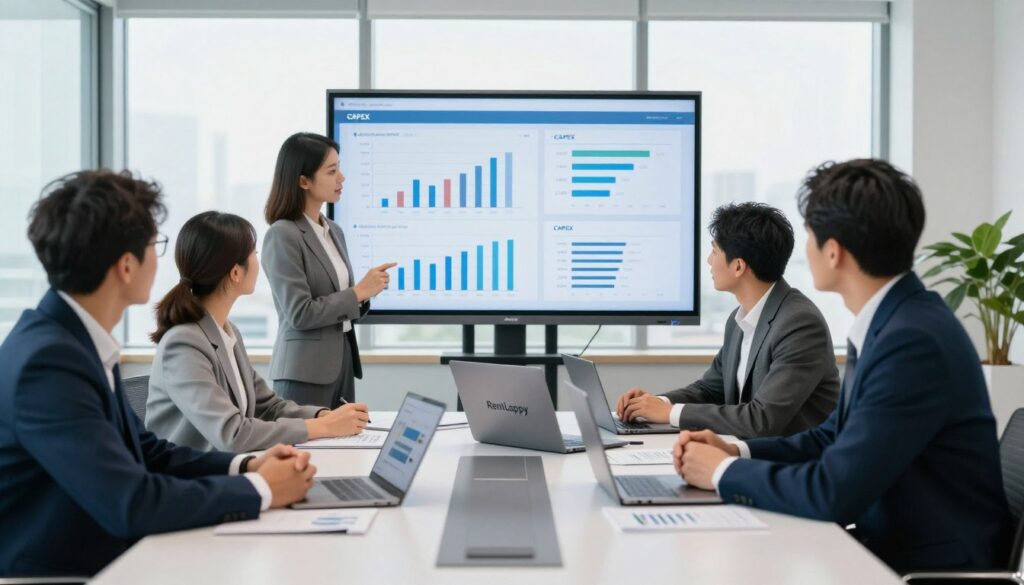
We see that flexibility is often more vital than owning an asset in today’s market. Choosing between capital expenditures and operational costs shapes our quarterly reports and annual tax filings. Good management of these expenditures keeps us agile in a competitive landscape.
- We break down the financial principles that govern IT spending to protect your bottom line.
- You will see how different treatments affect your tax obligations and available working capital.
- We explain the unique challenges Indian startups face when accessing financing for new hardware.
- The capex opex model impacts how investors and stakeholders view your company’s financial health.
- Real examples show how Mumbai schools and Bangalore firms rethink their investment strategies.
- Financial flexibility has become more valuable than asset ownership in our fast-paced environment.
We want to help you establish a framework for modern spending strategies. This helps every Indian business stay ahead of the technology curve while maintaining a strong financial position. Making the right choice today sets us up for operational success tomorrow.
What is CAPEX (Capital Expenditure)?
Understanding the concept of capital expenditure is the first step toward mastering your company’s financial health. We define these costs as funds used to acquire or upgrade physical assets that improve our business value over several years.
When we choose to buy items today, we are often looking at how they help us stay competitive in the future. This model requires a large amount of cash upfront, but it gives us full ownership of our tools.
Definition and Core Characteristics of Capital Expenditures
When we make capital expenditures, we are making a long-term commitment to our business infrastructure. These investments usually involve a substantial upfront expenditure for items with a useful life exceeding one year.
Unlike daily costs, these purchases create long-term investments that appear directly on our balance sheet. We treat these items differently because they continue to provide utility for the company through many fiscal cycles.
Examples of CAPEX in IT Infrastructure
In the Indian market, many of us are familiar with buying physical machinery or buildings for our factories. However, in the digital world, our capital goes into high-performance tech equipment.
We often see these costs when we build a new office or upgrade a server room. These purchases represent a significant portion of our corporate wealth and operational capacity.
Servers and Data Centers
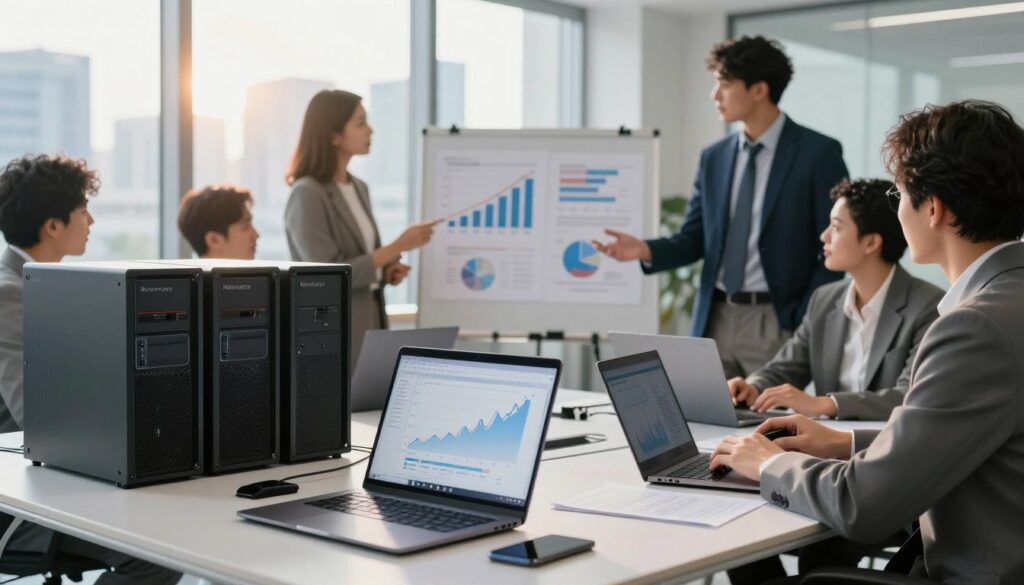
Buying our own servers for an on-premises setup is a classic example of capex. We also include the cost of constructing physical data center facilities and the land they occupy. These assets require regular maintenance but offer us total control over our data storage.
Networking Hardware and Equipment
We often spend our capital on routers, network switches, and firewalls to keep our teams connected. These pieces of hardware form the backbone of our office connectivity. We expect these items to serve our needs for at least five years before needing a replacement.
Purchased Software Licenses
While many apps use subscriptions today, buying perpetual licenses is still a common practice. These are intangible assets that we own forever rather than paying for every month. This helps us avoid ongoing vendor dependencies and recurring monthly fees.
How CAPEX Appears on Financial Statements
We do not deduct the full cost of a capex item from our taxes in one single year. Instead, the total value sits on the balance sheet and moves to the income statement through a process called depreciation.
If we spend ₹10 lakh on enterprise machinery, we might depreciate ₹2 lakh each year for five years. This gradual process helps us manage our taxable income while maintaining high-quality assets.
“Capital expenditure is not just a cost; it is a strategic move to build the future capacity of your enterprise.”
Managing these costs requires careful planning and budget approval. Since we are tying up significant cash, we must ensure the investments align with our long-term growth goals.
| Asset Category | CAPEX Type | Estimated Useful Life |
|---|---|---|
| Real Estate | Office buildings | 20-30 Years |
| IT Infrastructure | Server capex | 5-7 Years |
| Manufacturing | Heavy machinery | 10-15 Years |
| Software | Perpetual Licenses | 3-5 Years |
Choosing this model means we take on the risk of technological obsolescence. We own the gear, but we also own the responsibility of fixing it when it breaks or becomes outdated.
What is OPEX (Operational Expenditure)?
Operational expenditure represents the regular flow of money needed to keep your business running smoothly every single day. Unlike buying a large building, these expenditures cover the immediate needs of your operations.
We often see these costs as the recurring price of staying in business. From office supplies to monthly bills, opex keeps everything functional without requiring massive upfront cash.
Definition and Key Features of Operating Expenses
Basically, operating expenses are the “pay-as-you-go” version of business spending. We use these services and products within the same fiscal year they are purchased.
Key features include predictable recurring payments and immediate tax benefits. Because we record these on the income statement, they directly lower our taxable income for that specific year.
The shift to a recurring cost model is not just about taxes; it is about having the agility to pivot when the market demands change.
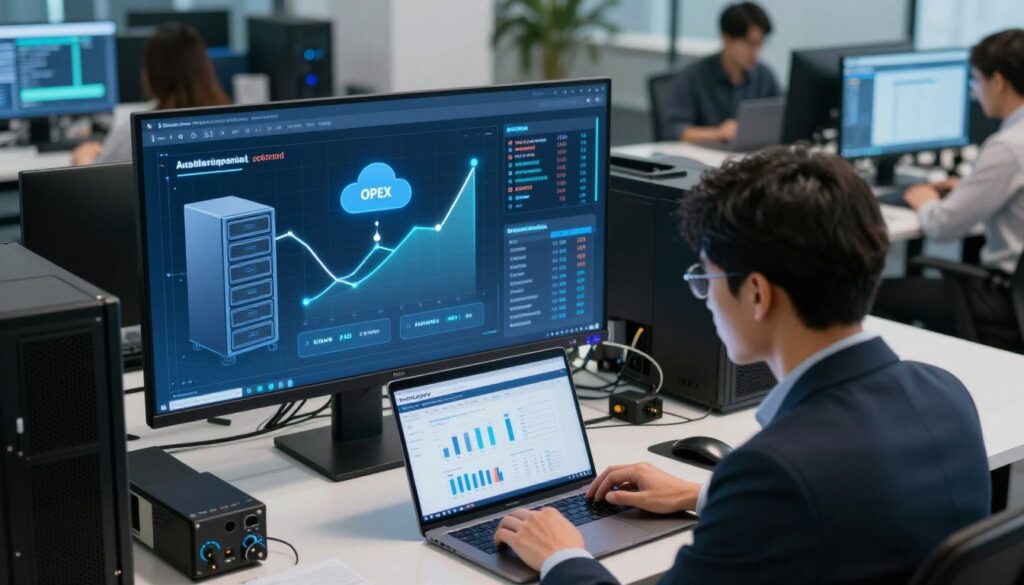
Examples of OPEX in IT Operations
In the modern world, IT has shifted heavily toward the opex model. Instead of buying expensive hardware, we pay for what we consume, which offers amazing flexibility.
Common examples include office rent, utility bills, and routine supplies. In technology, we see this in how we handle software, support, and hardware needs through monthly expenses.
| Category | Common Example | Benefit |
|---|---|---|
| Software | SaaS Subscriptions | Always Updated |
| Connectivity | Internet Utilities | Predictable Cost |
| Hardware | Laptop Rentals | Scale on Demand |
Cloud Services and SaaS Solutions
We no longer need to own massive, expensive data centers. We use cloud services like AWS or Azure, which count as operating costs based on our actual usage levels.
IT Equipment Rentals and Leasing
Working with RentLappy for your equipment needs is a perfect example of this model. You get the latest laptops without owning a depreciating asset or paying a huge upfront bill.
This allows your team to use high-end technology while keeping your cash flow healthy. It is a smart way to manage your expenditure while staying competitive in the growing Indian market.
Maintenance Contracts and Support Services
Maintenance costs ensure your systems stay updated and secure. These regular expenses cover support and repairs, ensuring your day-to-day tasks never stop due to technical glitches.
Recording Operating Expenses in Accounting
When we record an expenditure for operating needs, it goes straight to the profit and loss report. This process is much simpler than tracking depreciation over several years on a balance sheet.
By deducting these expenses immediately, businesses can manage their tax liability more effectively. This financial agility is why many Indian startups prefer opex over heavy capital investments.
Renting IT Equipment: OPEX vs CAPEX Explained – The Complete Comparison
Understanding the side-by-side impact of different spending strategies helps us see why many Indian startups are pivoting to rental models. We want to look at how these financial models influence your daily operations and long-term success. Choosing between the capex opex models is about more than just numbers; it is about how we manage our growth.
Every business needs a clear path to manage its technology needs without suffocating its budget. We often find that the flexibility of modern spending allows us to react faster to market changes. Let’s dive into how these two models stack up against each other in the real world.
Financial Impact and Cash Flow Differences
We see a massive difference in how money moves through a company depending on the chosen model. Purchasing IT equipment requires significant capital at once, which often limits the funds available for other critical tasks. Renting equipment preserves our working capital and maintains a healthier cash flow for day-to-day operations.
Upfront Investment Requirements
Capital expenditures demand large initial outlays that can drain our cash reserves very quickly. On the other hand, operating expenditures spread these costs over time through manageable monthly payments. This approach allows us to keep more cash on hand for unexpected opportunities or emergencies.
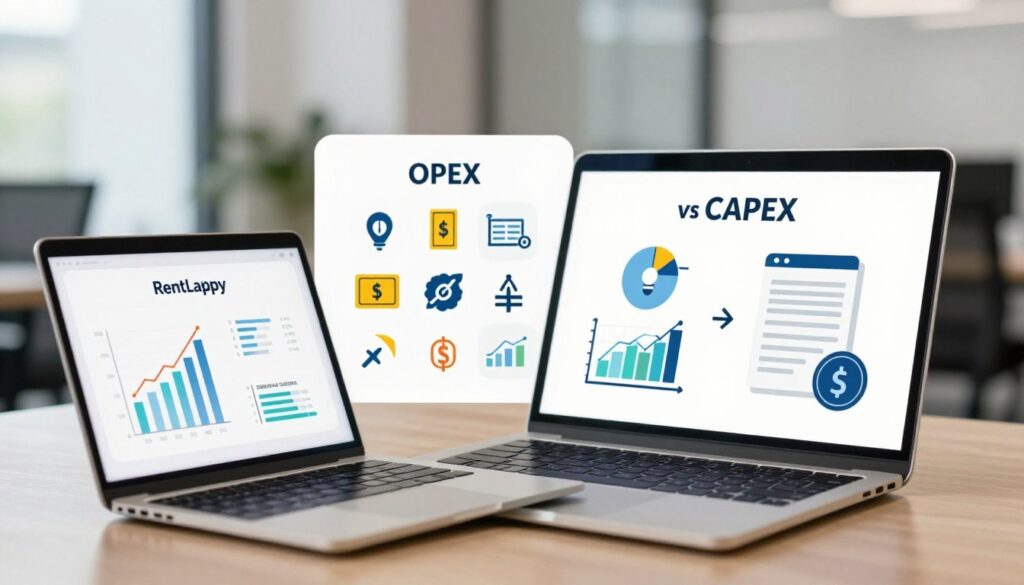
Monthly Expense Predictability
We also need to consider how costs behave over the long term. Buying hardware often leads to unpredictable maintenance expenses and the constant risk of parts failing. Rental agreements provide fixed monthly costs that simplify our budgeting and financial forecasting process.
Balance Sheet Treatment vs Income Statement Recording
The accounting side of the capex opex debate is just as important for your tax strategy. A capex investment appears as an asset on your balance sheet and loses value over several years. We record opex payments immediately on the income statement, which reduces our taxable income right away.
Depreciation Schedules vs Immediate Expense Recognition
We should look at the actual numbers to understand the impact of capex vs opex. A ₹5 lakh server purchase might lose value over five years at ₹1 lakh annually through depreciation. In contrast, a ₹10,000 monthly rental is fully deductible as one of our operating expenses every month. This immediate recognition saves us time and simplifies our accounting cycles.
Flexibility, Scalability, and Business Agility
Owning hardware locks us into specific configurations that are very difficult to change later. Rental models allow us to scale up during busy periods or scale down when we need fewer resources. We can upgrade to the latest tech much faster because we are not stuck with old capex investments. This agility helps us save time when we need to respond to new market opportunities in India.
| Feature | CAPEX Model (Buying) | OPEX Model (Renting) | Business Impact |
|---|---|---|---|
| Upfront Cost | Very High | Minimal/Zero | Saves initial cash flow |
| Tax Treatment | Depreciation over years | Immediate deduction | Lowers current expenses |
| Scalability | Difficult and slow | Instant and easy | Greater flexibility |
| Maintenance | User’s responsibility | Included in rental | Predictable expenses |
Why Renting IT Equipment Offers OPEX Advantages
Opting for an operational model over heavy purchasing is a strategic move that sets your team up for long-term success. We believe that choosing an opex approach through RentLappy allows your business to thrive without the heavy burden of ownership. By shifting your focus to rentals, you unlock several financial benefits that traditional buying simply cannot match.
This model creates a predictable environment where you can plan for the future with confidence. Indian firms often face changing market demands, and having a lean financial structure is a major advantage. Our services ensure that your capital stays where it belongs—invested in your core ideas.
Superior Cash Flow Management for Growing Businesses
Maintaining a healthy cash flow is vital for any company’s growth. Instead of spending a fortune on upfront purchases, you pay small monthly fees that align with your monthly revenue. This management style keeps your working capital free for other essential needs like marketing or talent hiring.
When you avoid massive down payments, you reduce the strain on your bank account. We help you maintain a steady financial rhythm that supports sustainable growth. This predictable spending makes it much easier to balance your books every month.
Flexibility to Scale Operations Up or Down
Our rental plans offer the flexibility you need for dynamic project demands in a fast-paced market. If you need fifty laptops for a short-term task, you can get them instantly without long-term debt. When those operations finish, you can return the gear instead of letting it sit idle.
Scaling down is just as simple as scaling up, protecting you from being stuck with unused assets. This agility is perfect for startups and established firms that need to adjust quickly. You only pay for what you actually use at any given moment.
Always Access to Latest Technology
The world of technology moves fast, and staying current is a major challenge for any business. When you rent from us, you can upgrade to newer models as soon as they hit the market. This ensures your employees always work with the best tools to stay productive and competitive.
“The shift towards OpEx allows organizations to be more agile, enabling them to pivot quickly in response to market demands.”
You no longer have to worry about your hardware becoming obsolete after just two years. We make sure your team has the latest technology without the need for constant reinvestment. This keeps your operations running at peak performance levels at all times.
Elimination of Maintenance and Obsolescence Risks
Owning hardware means dealing with unexpected repair costs and the risk of devices breaking down. We handle all the technical issues, repairs, and replacements for you as part of the rental agreement. This significantly improves your asset management and reduces daily stress for your IT team.
| Feature | OPEX Advantage | Business Impact |
|---|---|---|
| Maintenance | Vendor Handled | Zero Repair Stress |
| Obsolescence | Easy Upgrades | Modern Hardware |
| Risk | Lower Liability | Asset-Light Model |
By removing these burdens, you eliminate the hidden costs that usually come with owning equipment. You can focus on your work while we ensure your hardware stays in perfect condition. It is a worry-free way to manage your digital infrastructure.
Faster Implementation Without Budget Approval Delays
Traditional buying often takes a long time because of complex capital budget approval processes. Renting allows your business to skip these internal hurdles and get the equipment you need in just a few days. This speed helps you seize new opportunities before your competitors even get started.
The opex model simplifies the path from needing a tool to actually using it. By choosing rentals, you gain immediate access to high-quality resources without the wait. It is the smartest way to ensure your team has the benefits of modern tools exactly when they need them.
Tax Implications: OPEX vs CAPEX for IT Equipment in India
When we look at the tax landscape in India, the choice between buying and renting equipment changes your liability significantly. Managing tax obligations effectively helps us keep more cash within our business. It is not just about having the latest gear; it is about how we report those expenses to the authorities.
Every rupee spent on technology should work toward a better bottom line. By choosing a specific model, we determine how much of our profit remains after we fulfill our obligations. Smart planning today leads to better financial health tomorrow.
Immediate Tax Deductions with OPEX Model
Under the opex model, the costs of renting IT equipment are considered operational expenses. We can deduct these costs in full during the same financial year we pay them. This method reduces our taxable income immediately, which is a major win for seasonal cash flow.
This approach simplifies the accounting process for our team. We do not have to worry about long-term schedules. Instead, we enjoy immediate savings that generally improve our profit margins right away.
Depreciation Schedules and CAPEX Tax Treatment
When we choose capex, the financial process changes. Instead of a full deduction, we must follow depreciation schedules for capital assets. This means we spread the tax relief over several years based on the life of the equipment.
While this builds the balance sheet, it slows down the immediate financial benefits. If we purchase a ₹5 lakh server with a 5-year schedule, we might only deduct ₹1 lakh per year. This defers the majority of our savings into future years when they may be worth less.
Tax Benefits for Indian Businesses Under Current Regulations
Indian regulations offer unique benefits for those who opt for rental models. If we rent equipment for ₹1.2 lakh a year, we can lower our taxable income by that exact amount right away. This could save ₹30,000 or more in taxes depending on our specific bracket.
Understanding these implications is crucial for maximizing our financial gains. Strategic planning allows us to see which approach delivers better outcomes based on our current financial position. We can use these savings to grow other parts of our operations.
| Feature | OPEX (Rental) | CAPEX (Purchase) |
|---|---|---|
| Deduction Timing | 100% in the current year | Spread over several years |
| Cash Flow Effect | Immediate tax savings | Deferred tax relief |
| Asset Recording | Off the balance sheet | On the balance sheet |
Impact on Profit and Loss Statements
How we record these costs changes our profit and loss statement. Operational spending hits the income side directly and reduces reported profit for that period. This ensures our capital is not tied up in hardware that loses value every day.
These accounting choices also have broader implications for our firm. They affect key metrics that investors and lenders use to check our health. By choosing the right model, we keep our tax records clean and our business operations efficient.
“Strategic technology procurement in India is more than a purchase; it is a calculated move to optimize tax liabilities and protect liquid capital.”
We must balance our need for power with the reality of tax laws. While capex adds assets, the opex route provides the speed we need to stay competitive. Managing our capital and expenses wisely ensures we stay ahead in a fast-paced market.
Making the Right Choice: When to Rent vs Buy IT Equipment
Finding the balance between owning hardware and opting for a rental service can transform your operations. We believe that every business should start by looking at its internal culture and current spending policies. We often ask our clients: is your management more likely to approve a large upfront check or a small monthly fee?
We suggest you evaluate what your organization can actually afford right now. Think about your 10-year plan and how much capital you can realistically commit to technology today. Many successful teams choose a hybrid approach, mixing owned assets with flexible rentals to get the best of both worlds.
Assessing Your Business Needs and Financial Position
We guide you through checking your cash flow and credit access to see which model fits best. It is vital to determine if preserving capital for operations is more important than owning a physical asset. We help you align your business goals with your financial reality to ensure you stay liquid and ready.
Short-term Projects vs Long-term Requirements
We recommend matching your spending to your project timelines. Short-term tasks or seasonal hiring clearly favor a rental model because you avoid being stuck with old hardware. While stable, permanent needs might suggest a direct investment, rentals offer a safety net for everything else.
Risk Tolerance and Strategic Financial Goals
We know that operating in uncertain markets requires a high level of flexibility. Renting allows you to avoid the risk of tech becoming obsolete before you finish paying for it. Over time, the value of being able to upgrade instantly often outweighs the simple purchase price of a machine.
Industry-Specific Considerations for Indian Markets
Different sectors in India have unique hurdles when it comes to technology. We see how specific organizational needs dictate whether a business should buy or rent.
Startups and SMEs
Startups often deal with limited funds and rapid growth that is hard to predict. For these companies, RentLappy provides the perfect way to get high-end gear without breaking the budget. This keeps your cash free for marketing and hiring while you scale your business.
Educational Institutions
Schools and colleges frequently require a massive amount of equipment for new computer labs. We help these institutions stay current without the massive burden of investments in hardware that loses value quickly. Renting ensures students always work on modern systems that support the latest software.
Enterprise Organizations
Even large enterprises now prefer to rent to keep their balance sheets lean and flexible. This strategy allows them to focus their major investments on strategic projects that drive market growth. We help these giants avoid the headache of managing depreciation for thousands of laptops.
| Factor | Renting (OpEx) | Buying (CapEx) |
|---|---|---|
| Financial Impact | Predictable monthly costs | High initial cash outflow |
| Tech Currency | Easy upgrades to latest gear | Stuck with aging hardware |
| Maintenance | Included in the service | Internal team responsibility |
| Scalability | Fast and highly flexible | Slow procurement process |
How IT Equipment Rental Works in India
We believe that getting the right technology for your team should be as smooth as ordering your favorite meal online. Our goal at RentLappy is to make the whole process transparent so you can focus on your core goals. We handle the complex logistics while you enjoy the high-performance results.
Understanding Rental Models and Contract Terms
Every business has unique needs, which is why we offer diverse and clear rental models. You can choose a short-term plan for a specific project or a long-term contract for your permanent office staff. We keep our terms very simple to ensure there are no hidden costs or surprises later in the month.
What’s Included: Maintenance, Support, and Upgrades
When you choose to rent equipment from RentLappy, you get more than just a laptop or a server. Our managed services include expert delivery, full software installation, and rapid technical support to keep you running. These services ensure your operations never hit a snag from the very first day.
Scalability Options as Your Business Grows
A growing business needs to move fast without being slowed down by inventory or storage issues. Our models allow you to add or remove devices as your team size changes over time. This unmatched flexibility is vital for supporting your business development without the burden of massive upfront costs.
Most agreements allow you to easily add more devices as you hire new staff. You can also temporarily increase quantities for seasonal projects or events. We make it easy to reduce your fleet during slower periods without any heavy penalties.
End-of-Term Options and Flexibility
We provide various paths when your agreement reaches its conclusion to support your growth. You can renew your current plan, return the gear, or swap it for the latest equipment. This lifecycle management ensures your daily operations stay modern and competitive without requiring new capital investments.
| Feature | Short-Term Rental | Long-Term Rental |
|---|---|---|
| Duration | Days to weeks | 12 to 36 months |
| Primary Use | Events and testing | Core office work |
| Maintenance | Full coverage | Comprehensive support |
RentLappy: Your Trusted IT Equipment Rental Partner in India
Finding the best laptop rental services New Delhi India can offer is vital for your growth. We provide high-quality technology solutions to help your business succeed without the heavy burden of ownership.
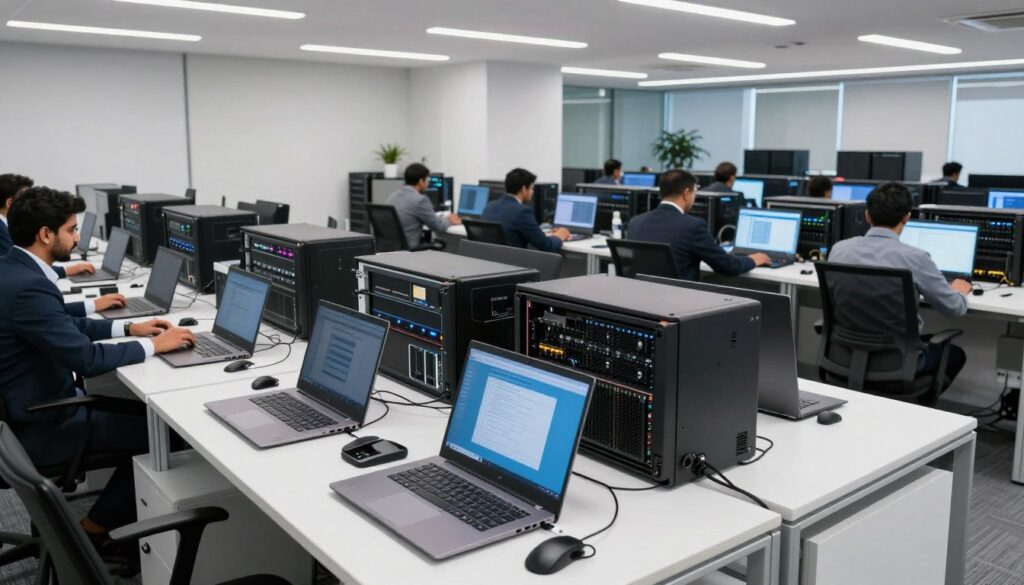
Our company understands that every organization has unique goals. We offer a friendly, expert approach to ensure you get exactly what you require for your daily tasks.
Comprehensive Range of IT Equipment Available
We maintain a vast inventory of the latest technology to keep your team productive. Whether you are a startup or a large corporation, our equipment selection meets international standards.
Laptops and Desktops for Every Need
We supply everything from basic units for administrative operations to high-end workstations. Our company ensures that each device is configured to meet your specific needs and performance expectations.
Servers and Networking Equipment
Building a solid foundation for your data is easy with our enterprise-grade servers. We also provide routers and switches to ensure your business stays connected and secure at all times.
Bulk Rentals for Teams and Organizations
Scaling your workforce is simple with our bulk rental options. We can equip dozens or hundreds of employees quickly, allowing your company to focus on reaching your milestones.
Flexible Rental Plans Tailored to Your Budget
We offer true financial flexibility with plans that fit your specific timeline. By choosing a rental expense, you can keep your costs low while enjoying the latest hardware.
Nationwide Delivery and Exceptional Customer Support
Our logistics network delivers reliable services to every corner of India. We combine fast shipping with expert technical management to keep your hardware running smoothly around the clock.
Why Businesses Across India Choose RentLappy
Choosing us means you get genuine value and peace of mind. We act as a dedicated partner for your business, focusing on reliability and long-term success.
Cost-Efficiency and Transparent Pricing
We help you reduce costs by turning a large capital expense into a manageable monthly payment. Our company prides itself on management practices that involve no hidden fees or surprise charges.
Top-Brand Devices and Quality Assurance
Every device undergoes rigorous testing before it leaves our office. We only provide top-tier brands to ensure you receive the highest value for your investment.
Customer-Centric Approach and Reliability
We listen to your feedback and adapt our solutions to help you win. Contact us today at D-97, Okhla Phase 1, Okhla Industrial Estate, New Delhi – 110020, call +91-60003 70013, or email sales@rentlappy.com.
Conclusion
As we look ahead, the shift from ownership to access is redefining how Indian firms handle technology. We have explored Renting IT Equipment: OPEX vs CAPEX Explained to help you make the best choice for your future. While capex involves large upfront capital investments in assets that lose value, opex lets you access tech through operating expenditures.
This opex approach provides benefits like better cash flow management and immediate tax benefits. By choosing operating expenses, your business avoids the heavy costs of capital expenditures. You get the latest gear without worrying about capex opex trade-offs or technical obsolescence.
We believe that shifting from capex to opex is a smart move for business development. It allows for faster operations and removes the burden of maintenance costs. This expense model ensures your investment goes toward growth rather than depreciating hardware.
Strategic financial freedom starts with choosing the right path for your technology needs. RentLappy is here to support your capex opex journey with flexible rental plans. Our capex opex solutions are designed to minimize your capital outflows while maximizing performance.
We provide the investment-grade equipment you need with none of the ownership expenses. Our team understands how to balance capex with modern expenses to keep you competitive. We are ready to deliver solutions that support your success while improving your financial position.
Contact us at RentLappy today to see how our opex models can transform your IT strategy. Let us help you scale with a smart expense strategy that drives real results. We look forward to becoming your trusted partner in growth and innovation.