Inefficient setup choices waste nearly 30% of global tech spending every single year. This startling figure forces many businesses to pause or evaluate their digital backbone. Making a firm decision about your hardware can save millions of rupees over time.
At RentLappy, we support startups plus schools across India with high-quality IT equipment. We understand that choosing the right infrastructure feels like a daunting task for any growing business. Our team provides various options that cater to your specific needs as well as budget.
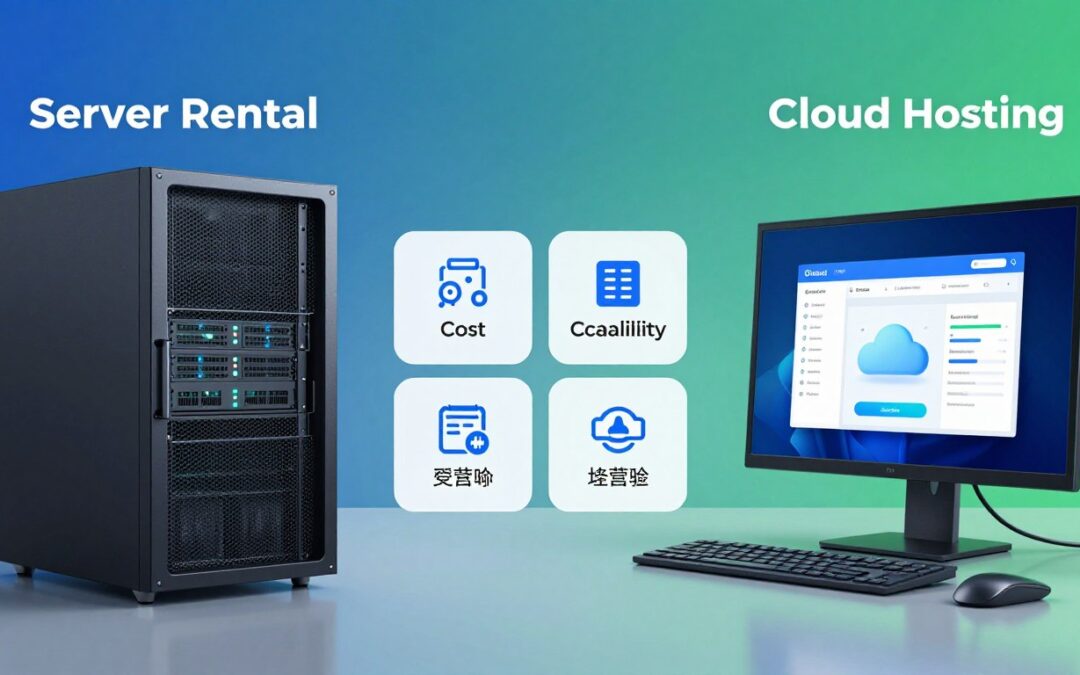
Whether you prefer physical setups or solutions in the virtual space, we offer the information you require. We want to help you weigh the Server Rental vs Cloud Hosting: Pros and Cons to ensure long-term success. Let us guide you through the technical maze with clarity plus care.
Key Takeaways
- Choosing between physical or virtual setups impacts long-term operational costs significantly.
- Startups in India often find rented hardware more budget-friendly for short-term projects.
- Data security remains a primary concern when moving sensitive files to the web.
- Scalability is easier with virtual environments, though physical machines offer more control.
- RentLappy provides customized IT equipment for diverse professional requirements in New Delhi.
- Understanding your specific technical needs helps in picking the most efficient path.
Understanding Server Rental for Your Business

We want to help you explore how leasing dedicated hardware can provide your company with unparalleled performance and security. At RentLappy, we specialize in providing tailored server rental services in New Delhi, India, and across the country. Our goal is to support your IT needs with reliable equipment that scales with your growth.
Choosing the right infrastructure is a critical step for any modern organization. We believe that having a physical foundation for your digital assets ensures stability and speed. Our team is here to guide you through the complexities of hardware selection.
What Is Server Rental?
Leasing physical or virtual hardware allows your team to host applications and manage your data without the heavy cost of buying equipment. You get dedicated computing resources while maintaining full control over your environment. We have seen many businesses choose this option when they need predictable performance and strict compliance.
Knowing exactly where your storage and processors are located gives you total peace of mind. Even tech giants like Mozilla and Shopify use self-hosted infrastructure when they need direct control over their hosted data. It is about having the freedom to configure your systems exactly how you need them.
Types of Server Rental Options Available
Our team at RentLappy offers various servers to match your specific operational needs. We help companies like yours find the right balance between power and budget. You can choose the configuration that fits your current project or long-term strategy.
Dedicated Server Rental
A dedicated server provides an entire physical machine for your exclusive use. This means the memory and network resources are never shared with other users. It is the gold standard for performance-heavy tasks.
This setup eliminates security risks and performance lags often found in shared environments. We offer these physical servers for those who need maximum processing power and custom security settings. Your business deserves the reliability of a machine that belongs only to you.
VPS Server Rental
A Virtual Private server uses software to partition one machine into several private areas. This gives you the feel of a dedicated environment at a more affordable price point. It is a highly flexible way to manage your server rental needs.
It is the perfect choice for those who need custom software but do not require multiple physical servers. We ensure your virtual space remains secure and highly efficient for your daily tasks. Each virtual environment operates independently to ensure maximum stability and uptime.
Understanding Cloud Hosting Infrastructure
We believe that modern businesses thrive when they leverage the power of distributed networks instead of single machines. Choosing cloud hosting represents a fundamentally different approach to your digital infrastructure.
Instead of relying on one physical box, your data lives across many interconnected virtual servers. This setup ensures that your applications remain online even if one hardware component fails.
We want you to understand how this environment provides redundancy for your daily operations. It keeps your website fast and reliable at all times.
What Is Cloud Hosting?
To us, this technology is like a utility that provides computing power on demand. It uses cloud servers to manage storage and processing tasks through a virtual environment.
Leading providers manage the underlying hardware, so your team can focus on growth. This system allows us to retrieve information quickly from multiple locations at the same time.
Types of Cloud Hosting Solutions
We have seen how cloud technology has revolutionized IT for companies in India. You can now provision resources in minutes rather than waiting weeks for new hardware.
Finding the right solutions depends on your specific needs for privacy and budget. There are three main ways to deploy these cloud environments.
Public Cloud Hosting
In a public cloud, multiple users share the same infrastructure across a vast network. Big names like AWS and Google Cloud offer these resources to anyone with an internet connection.
This version of cloud hosting is often the most cost-effective choice for small teams. It offers amazing scale without a huge price tag.
Private Cloud Hosting
We recommend a private cloud for those who need dedicated servers and higher security. This setup offers the flexibility of the cloud while keeping your data behind a private firewall.
Hybrid Cloud Solutions
A hybrid approach lets you combine on-premises servers with cloud hosting benefits. This allows you to keep sensitive files local while using cloud servers for extra traffic spikes.
Server Rental vs Cloud Hosting: Pros and Cons
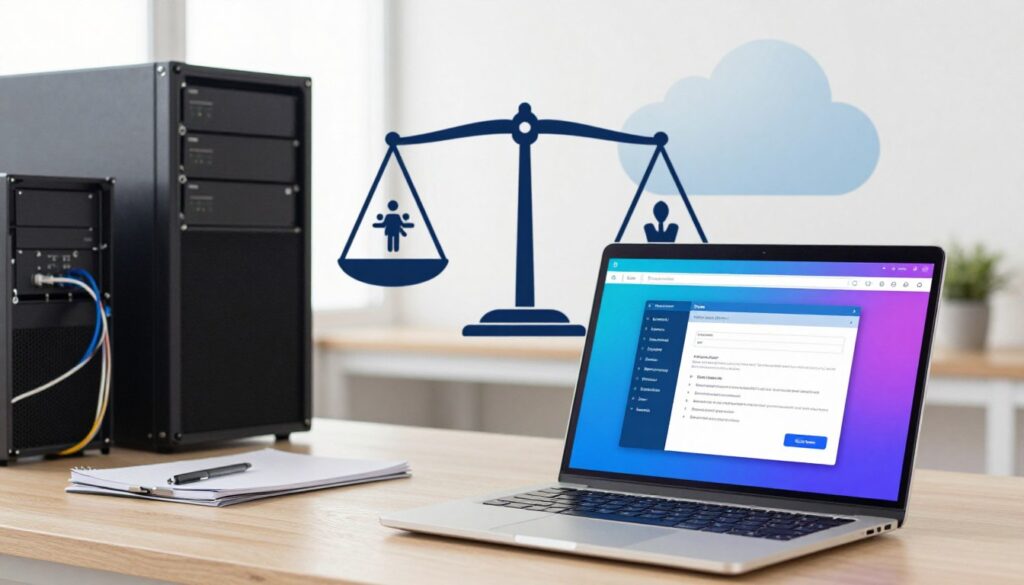
We believe knowing the difference between real hardware and virtual systems is a smart first step for any business. Every company has unique needs, so we want to provide a clear look at how these setups work. This helps you choose the right path for your digital growth and technical success.
Key Differences in Infrastructure and Management
When we look at management, a server rental gives you full control over physical hardware. You can customize every part of the configuration to meet your specific business needs. This level of control is great for apps that need special settings.
In contrast, cloud solutions distribute your work across many virtual machines. While this limits deep hardware access, it makes managing the infrastructure much simpler for your team. You do not have to worry about the physical parts of the machine.
Cost Structure Comparison
The financial cost of these options differs greatly between the two models. A rental usually involves fixed monthly costs, which helps with budgeting and long-term planning. It is a predictable expense that stays the same each month.
However, the pros cons cloud model focuses on a pay-as-you-go system. This means you only pay for what you use, making it very flexible for seasonal traffic. This model is often very helpful for startups that are still growing their user base.
Performance and Reliability Factors
We have seen that a dedicated server offers very steady performance. Since no one else uses the hardware, you get all the power for your own applications. This ensures that your speeds stay fast even during busy times.
On the other hand, the cloud provides great resilience. If one machine fails, your data stays safe on another part of the infrastructure. This automatic backup helps keep your website online without any manual work.
Evaluating the pros cons of each model is vital for your long-term success. While there are many pros to physical setups, there are also cons like manual hardware updates. You must decide which trade-offs your team can handle.
Likewise, the pros of virtual systems include fast scaling, while the cons might involve variable network speeds. We recommend comparing the pros cons of your specific server goals and your cloud strategy carefully.
| Feature | Server Rental | Cloud Hosting |
|---|---|---|
| Hardware Control | Full Access | Limited Access |
| Scalability | Manual Upgrades | Instant Scaling |
| Billing Model | Fixed Monthly | Usage-Based |
We also note that a private server often delivers higher security for sensitive data. Yet, the cloud is usually better for teams that need to work from many different locations. Every choice should align with your budget and technical skills.
Advantages of Server Rental for Businesses
We believe that opting for a dedicated physical environment provides many advantages. At RentLappy, we help your business thrive by providing reliable infrastructure across India. Our team ensures you get the right tools without the heavy burden of ownership.
Complete Control Over Hardware and Infrastructure
We want you to appreciate the absolute control you gain over your environment. Renting a physical server means you choose the operating system and software without restrictions. We provide the hardware, and you manage the internal configuration to match your workflow.
Working with us allows you to skip third-party limitations. You can schedule maintenance when it suits your team. This independence is a game-changer for growing tech firms.
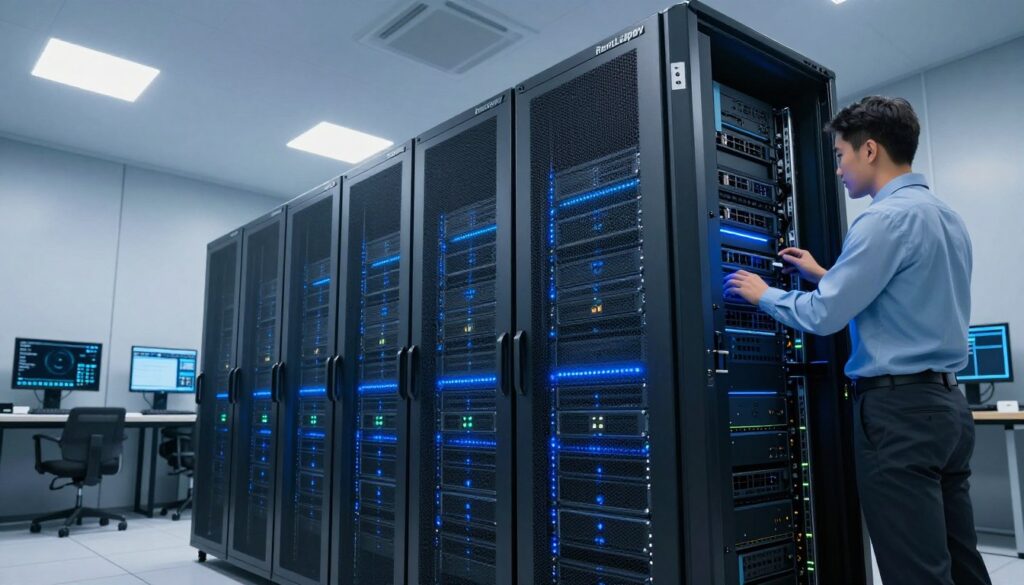
Enhanced Data Security and Privacy
Protecting sensitive data is easier when you have a dedicated machine. This level of security is vital for financial companies or defense contractors in India. You maintain total control over who accesses the physical components of your environment.
“Physical infrastructure remains the backbone of secure enterprise operations for those who value privacy above all else.”
Many owners feel safer knowing their information stays on a local machine. We ensure our rentals are routinely monitored to prevent data loss. You reduce cyber risks by keeping your most private files away from shared virtual spaces.
Predictable Long-Term Ownership Costs
Through our rental services, we ensure that your monthly costs remain stable. You don’t have to worry about the unexpected price hikes often seen in cloud subscriptions. We provide professional hardware that fits your budget perfectly.
- Fixed monthly fees help with accurate annual budgeting.
- No hidden data transfer charges for heavy traffic.
- Eliminate the need for huge upfront capital investments.
- Avoid vendor lock-in with flexible rental terms.
Customization Freedom for Specific Business Needs
Every setup we offer meets specific technical needs. A physical server allows for custom kernel modifications and legacy software support. Our security protocols ensure your data remains private while you run specialized workloads on your server.
| Feature | Rental Benefit | Business Impact |
|---|---|---|
| Software Choice | Full OS Selection | High Compatibility |
| Resource Use | Dedicated Power | Stable Performance |
| Scalability | Physical Upgrades | True Independence |
We understand that unique applications require unique solutions. Our rentals give you the freedom to optimize performance specifically for your task. You can bring your infrastructure in-house whenever your strategy demands it.
Disadvantages of Server Rental Solutions
We believe in full transparency, so let’s explore some of the challenges associated with renting physical hardware for your business. While this model offers more control than public clouds, you should consider the potential cons before making a final decision. At RentLappy, we aim to simplify this transition by offering terms that help mitigate these common industry hurdles.
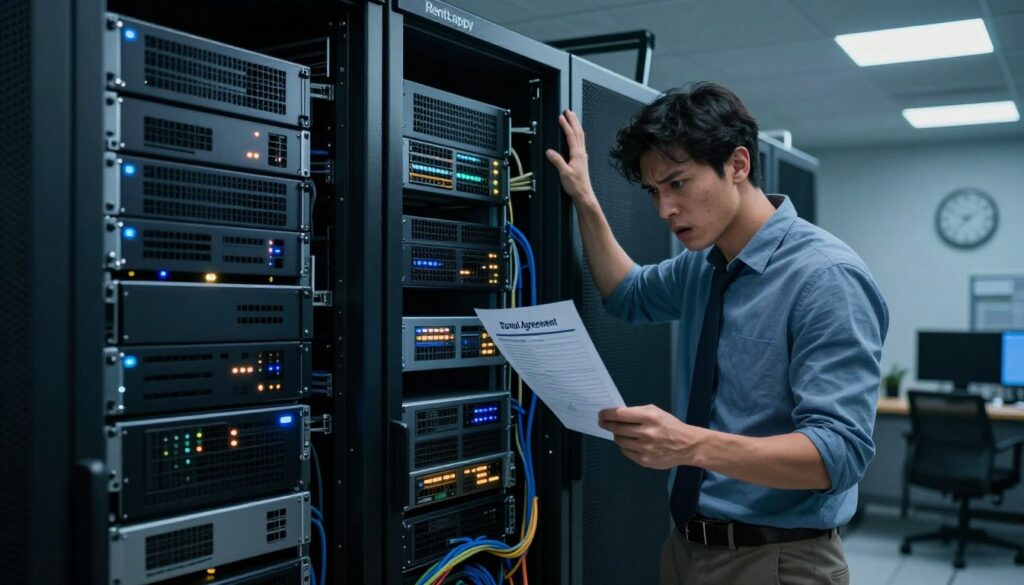
Higher Upfront Investment Requirements
Even though you aren’t buying equipment outright, renting still involves significant initial costs. You might face setup fees, security deposits, and complex configuration expenses that strain a startup budget. These financial commitments often require careful planning to ensure your cash flow remains healthy during the early stages.
Limited Scalability and Flexibility
One major drawback of physical systems is the lack of flexibility compared to virtualized environments. If your traffic spikes, you cannot instantly add more RAM or CPU power to your server capacity. The time needed to build and install new components is often two to three weeks, which limits your scalability during peak seasons.
“Businesses with seasonal workloads often pay for peak capacity that sits idle during slower months, leading to inefficient resource use.”
Ongoing Maintenance and Technical Expertise Needs
Your team must handle routine maintenance, including critical security patches and software updates. This often requires highly skilled in-house IT staff or expensive external support contracts to keep everything running smoothly. Without consistent maintenance, you risk unexpected hardware failure or significant data loss during a crisis.
Physical Space and Environmental Requirements
A dedicated server needs a secure, climate-controlled home to function properly over its lifespan. You must provide a dedicated space with strict temperature controls, humidity management, and reliable power backups. These environmental requirements include backup generators and physical security measures to protect your vital data assets.
| Challenge | Standard Rental Impact | RentLappy Mitigation |
|---|---|---|
| Deployment Speed | 2-3 Week lead time | Priority setup options |
| Resource Scaling | Fixed hardware limits | Flexible upgrade pathways |
| Technical Load | Full user responsibility | Optional support services |
We understand that managing these logistics can be daunting for many Indian enterprises. That is why we work closely with our clients to provide customized solutions that bridge the gap between physical control and operational ease. By choosing a partner that understands these limitations, you can focus on growth while we handle the heavy lifting.
Advantages of Cloud Hosting Services
We want to show you the remarkable benefits that come with adopting cloud technology for your infrastructure. While traditional servers offer stability, these modern services provide a level of agility that is hard to match in today’s fast-paced market.
Scalability and Flexibility On Demand
One of the biggest advantages of using the cloud is the ability to grow your resources instantly. We’ve found that scalability allows your business to handle traffic surges without any lag or downtime.
You can scale down during quiet periods to ensure you only use what you need. This flexibility ensures that your digital presence remains robust without wasting resources on the cloud.
When you need to launch a new project, these environments allow for rapid deployment. You can often spin up new servers in just hours and finish the entire setup in days.
Pay-As-You-Go Pricing Model
When you adopt cloud hosting, you eliminate the need for massive upfront hardware investments. We appreciate how this model lowers the entry cost for growing Indian startups and small businesses.
You only pay for the computing power and storage space you actually use each month. This makes enterprise-grade infrastructure accessible to everyone, regardless of their current capital reserves.
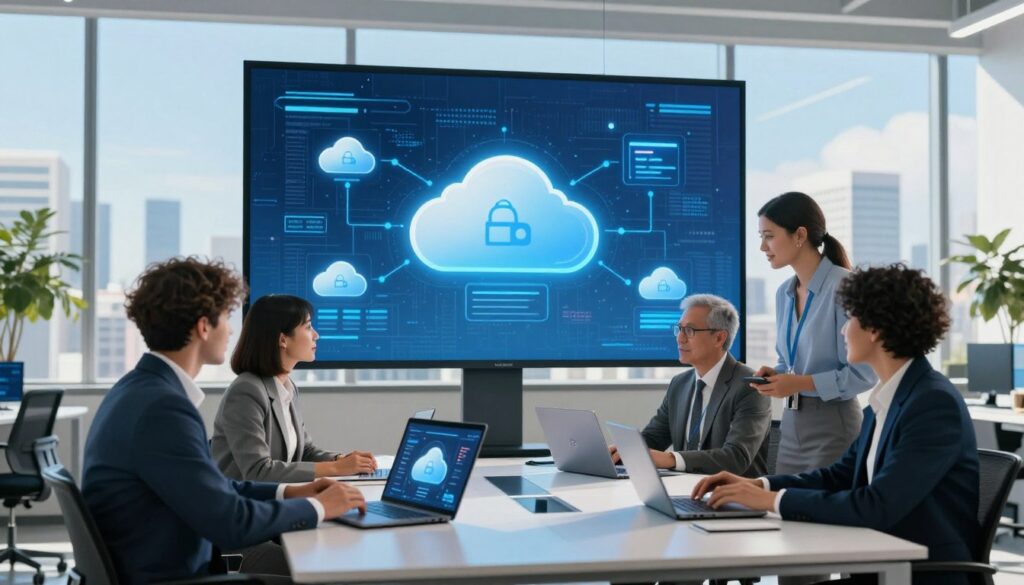
Remote Access and Team Collaboration Benefits
We have seen how cloud hosting improves operations through easy access from any location with an internet connection. This is a game-changer for a distributed team working across different cities in India.
Our favorite part is how cloud hosting integrates tools like file sharing and video calls seamlessly. It allows everyone to have access to data and stay productive from home or the office.
Automatic Maintenance and Updates
You can stop worrying about manual hardware repairs or complex security patches. Your provider handles all the maintenance, freeing up your internal staff for more important growth tasks.
The benefits of using the cloud also include high availability and automatic failover systems. This means your site stays online even if one part of the global cloud network has a physical issue.
We have also noted that these setups are often more environmentally friendly. They promote server efficiency and help reduce energy consumption compared to running your own dedicated data centers.
| Feature | Cloud Hosting Benefit | Business Impact |
|---|---|---|
| Scalability | Instant Resource Adjustment | Handles traffic spikes easily |
| Pricing | Pay-as-you-go Model | Reduces upfront capital spend |
| Maintenance | Handled by Provider | Frees up internal IT resources |
| Accessibility | Remote Anywhere Access | Supports modern distributed teams |
Disadvantages of Cloud Hosting Infrastructure
We believe a fair comparison requires looking at the hidden hurdles of cloud infrastructure. While this technology is popular across India, we must weigh the trade-offs carefully to keep our businesses stable. We need to identify the cons of cloud hosting even if the internet is often reliable in our area.
“The cloud is just someone else’s computer, meaning you play by their rules and pay their prices indefinitely.”
Ongoing Subscription Costs Without Ownership
One major drawback involves the constant cycle of monthly or annual fees. Unlike server rental where you might eventually own hardware, cloud hosting means you pay forever. We often see vendors raise prices without warning, which can strain your long-term budget over several years.
These recurring costs never lead to asset ownership for your company. You are essentially renting space in a digital landscape that you can never truly call your own. Over a long period, these expenses often exceed the cost of buying or renting dedicated physical hardware.
Internet Dependency and Bandwidth Requirements
Your access to applications depends entirely on a stable internet connection. If the link fails, your team cannot work, leading to major production delays. We also notice that moving heavy data requires high-speed bandwidth to avoid buffering or unresponsiveness during busy hours.
Poor connectivity can turn a fast system into a frustrating bottleneck for your employees. Without a backup connection, your entire business operation remains at the mercy of your service provider. This dependency creates a single point of failure that we must carefully manage.
Limited Control Over Infrastructure Customization
With cloud solutions, we lose control over the physical hardware and deep system settings. The provider’s standard packages often constrain your choices and technical configurations. The vendor manages the underlying infrastructure, which limits your freedom to install specific software or adjust hardware specs.
We see businesses struggle when they need deep system access for niche applications. You must work within the boundaries set by the providers, which can hinder specialized technical needs. This lack of flexibility often forces companies to change their internal workflows to fit the platform.
| Area of Concern | Immediate Outcome | Future Concern |
|---|---|---|
| Shared Resources | Less control | Resource contention |
| Subscription Model | No hardware ownership | Vendor price hikes |
| Public Cloud | Security gaps | Identity theft |
Potential Security and Data Privacy Concerns
Entrusting sensitive data to a third party carries inherent risks. Even with strong tools, cloud environments face threats like account hijacking or misconfiguration. We must acknowledge the cons cloud users face regarding shared environments and security vulnerabilities that are out of our direct reach.
Cybercriminals often target large providers because they store information for thousands of companies at once. When you share a server with others, a mistake by another user could potentially impact your privacy. We believe it is vital to understand these shared responsibility models before migrating your most private files.
How to Choose Between Server Rental and Cloud Hosting
Navigating the path between physical hardware and virtual environments can feel overwhelming. We are here to help you make the best choice for your long-term success.
Choosing the right infrastructure depends on several factors specific to your organization. It is not necessarily an all-or-nothing proposition. Many businesses use a hybrid model to get the best of both worlds.
Step 1: Assess Your Current and Future Business Requirements
First, look at your current application performance and data storage requirements. Evaluate how user traffic might evolve over the next few years. We want to ensure your business stays agile and ready for growth.
Step 2: Evaluate Your Budget and Financial Resources
Calculate the total cost of ownership by comparing predictable rental fees against variable costs. Your budget must account for both operational expenses and initial investments. This keeps your budget healthy and manageable.
Step 3: Determine Your Technical Expertise and IT Team Capacity
Be honest about your internal IT team’s capacity to manage physical hardware and routine maintenance. If you lack specialized staff, managed services might be a better fit than handling raw infrastructure yourself.
Step 4: Consider Your Data Security and Compliance Needs
Many businesses in India face strict regulatory mandates regarding data residency. Evaluate your security protocols to see if a private server meets your specific security needs and legal obligations.
Step 5: Analyze Your Scalability and Growth Projections
Does your business face seasonal peaks or rapid growth phases? Analyzing your scalability helps determine if you need the instant flexibility of the cloud to meet your changing needs.
Step 6: Make Your Decision and Partner with a Reliable Provider
Finally, it is time to make a final decision and move forward with a trusted provider. At RentLappy, we are the provider that offers customized options for every type of organization. We ensure your solution fits the business perfectly and supports your long-term expansion goals.
“The right infrastructure is not just a technical choice; it is a strategic foundation for sustainable growth.”
| Feature | Server Rental | Cloud Hosting |
|---|---|---|
| Control | Maximum hardware access | Virtualized management |
| Costs | Predictable monthly fees | Pay-as-you-go model |
| Maintenance | Internal team responsibility | Managed by the host |
Conclusion
Choosing between physical infrastructure and cloud hosting is a major milestone for any growing business in India. Both server rental and cloud solutions offer distinct benefits that help companies manage data effectively. We believe your final choice should always align with your specific budget and technical requirements.
While cloud servers offer great scalability and flexibility, some businesses prefer physical servers for total control. We see that nearly 99.9% of startups choose cloud services initially to save money and time. However, some firms with existing servers remain reluctant to switch due to security concerns or environmental impact worries.
Proper maintenance and reducing downtime are vital for modern applications and keeping information safe. Weighing the pros cons cloud setups helps you decide how to allocate your resources and space. Whether you need 24/7 access or robust storage options, our team at RentLappy provides expert guidance to help you grow.
RentLappy is a trusted provider of laptop and IT equipment rentals based in New Delhi. We offer affordable, high-quality devices and cloud hosting to clients across India at a competitive cost. Experience nationwide service and reliability by choosing a partner that understands your technology needs and long-term goals.
Contact us at D-97, Okhla Phase 1, Okhla Industrial Estate, New Delhi – 110020. You can call us at +91-60003 70013 or email sales@rentlappy.com to start your journey. Let us provide the technology data and hardware you need to succeed today!