
Research shows that organizations often lose track of nearly 30% of their hardware. For a fast-moving business in India, this waste is a silent profit killer that stops you from scaling quickly. We know that tracking your tech assets is not just about making a list; it is a vital part of asset management that helps you save money.
At RentLappy, we see how smart technology choices help startups in Bangalore and Mumbai thrive. By using clear practices, you can turn your gear into a real edge for your business. Proper asset management ensures your team always has the tools they need to succeed while keeping your assets safe.
We help you master the way you handle every laptop and server you own. Good asset management lets you focus on your core goals without any technology bottlenecks holding you back. When you protect your valuable assets, you ensure steady growth for your firm in a competitive market.
Finally, your strategy must evolve as your team grows larger across India. Solid asset management is the key to staying ahead of the competition and making smarter buying choices. Keep your assets organized to win the market and improve your bottom line every single year.
Key Takeaways
- Tracking tech equipment prevents significant budget leaks and waste.
- Effective tracking supports rapid scaling for Indian startups and firms.
- Structured habits reduce the security risks for all your hardware.
- Maximizing equipment value directly boosts your company’s total profitability.
- Real-time data helps you make much smarter technology buying decisions.
- Flexible solutions like renting help you manage growth without high costs.
What Is IT Asset Management and Why It Matters for Growing Companies
We find that many growing companies in India initially struggle to define what IT asset management actually means for their specific situation. It is more than just keeping a list of laptops in a spreadsheet. This practice helps us know exactly what we have and where it is located.
At its core, proper management is about seeing the full value of your technology. When your team expands quickly, knowing how your tools are used becomes vital for success. This foundation ensures that every device helps your team stay productive.
Understanding IT Asset Management
The ISO/IEC 19770-1:2017 standard defines this process as a coordinated activity. It helps organizations realize value from IT assets, including hardware and software. This also covers license contracts and the data that describes your tools.
Effective asset management allows us to track items from purchase to disposal. We can then make better decisions about when to reuse or retire equipment. This level of control is essential for meeting legal and contractual rules.
The Business Value of ITAM for Growing Organizations
For growing organizations, the value of this practice is very clear. It directly impacts your bottom line by lowering unnecessary costs. We can find assets that no one is using and give them to new team members.
We believe that using rental solutions from RentLappy helps improve your efficiency. It allows your business to scale without spending too much money upfront. This management style ensures every investment supports your goals rather than sitting idle.
“Effective asset management is not just about tracking items; it’s about making sure your technology supports your business goals every day.”
Common ITAM Challenges in Scaling Businesses
The hurdles we see in scaling firms are quite unique. You might be adding employees fast or managing teams across many cities. Keeping track of assets that move between hands is often difficult for busy leaders.
Without good asset management, companies often face emergency spending. You might lose money on software licenses that no one uses. Proper management stops these productivity losses before they even start.
| Feature | Manual Tracking | Professional ITAM |
|---|---|---|
| Data Accuracy | High Risk of Errors | Real-time Updates |
| Scalability | Very Difficult | Built for Growth |
| Cost Control | Reactive Spending | Predictive Budgeting |
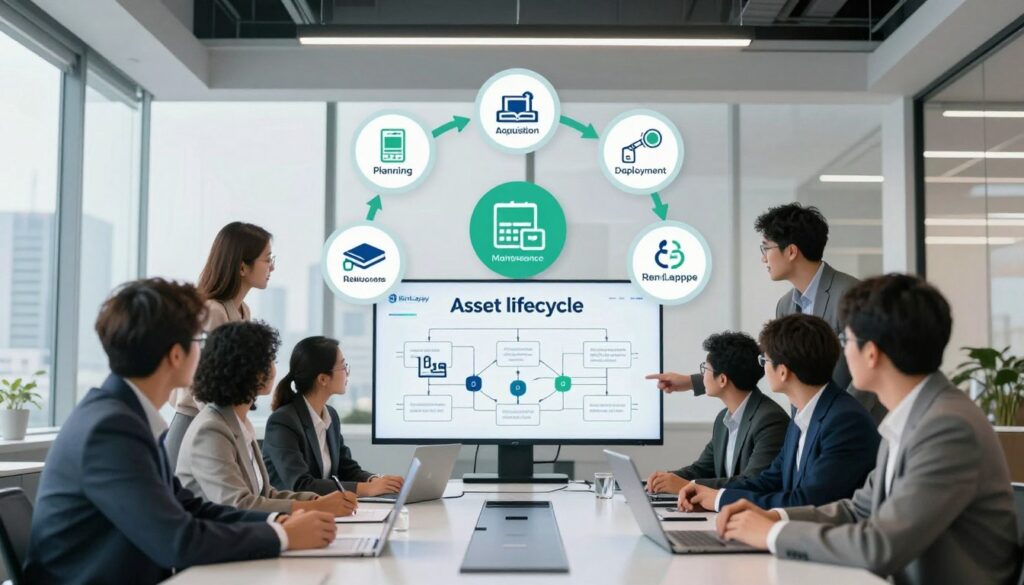
Adopt a Comprehensive Asset Lifecycle Management Approach
We believe that treating your technology as a living journey—rather than just a shopping list—is the key to scaling efficiently. A structured asset lifecycle approach helps us track equipment from initial need to final removal while ensuring a smooth lifecycle.
Planning and Budgeting Phase
Success starts long before we sign a check. We work closely with stakeholders to identify necessary IT resources, ensuring our management strategy stays on track and within budget.
Assessing Asset Requirements
We encourage you to assess actual needs by talking with department heads about specific workflows. Instead of buying reactively, we project growth to ensure every purchase serves a clear, long-term purpose.
Digital Twin Technology for Asset Planning
Digital twin technology allows us to create virtual simulations of a specific asset to predict its performance. While newer for IT, these simulations help us run tests before making major investments.
Acquisition and Deployment
Once we identify our needs, we follow strict procurement processes to onboard new hardware. This stage is about balancing cost with vendor support and specific user requirements.
Purchase vs. Lease vs. Rental Models
Growing companies in India have three main choices: buying, leasing, or renting. We’ve seen that RentLappy’s rental model offers incredible flexibility for scaling teams.
| Model | Financial Impact | Flexibility Level |
|---|---|---|
| Direct Purchase | High Upfront CAPEX | Low (Ownership) |
| Leasing | Fixed Monthly OPEX | Medium (Locked terms) |
| Rental (RentLappy) | Low Monthly OPEX | Highest (Scale up/down) |
Renting allows us to scale up quickly without huge upfront costs or worrying about depreciation. It ensures our asset lifecycle stays agile as our business evolves with new technology.
Utilization and Optimization
This phase is where your investment delivers real value. We monitor performance data and configuration metrics to extend the useful lifecycle of every device in our fleet.
Maintenance and Support
Active management includes planning for repairs and software updates from day one. Proper support keeps our lifecycle smooth and prevents unexpected downtime for our employees.
Decommissioning and Disposal
When an asset reaches its end, we retrieve it and perform secure data erasure using verified processes. Final disposal must be documented carefully to meet environmental and legal standards.
Strategic disposal involves choosing between vendor returns, donations, or destruction. Each disposal step ensures we remain compliant while closing the asset lifecycle loop responsibly.
Effective disposal practices protect our reputation and help us maintain a clean management record. By mastering disposal, we prepare our budget for the next asset lifecycle stage.
We believe that viewing management as a complete lifecycle helps us make smarter decisions. This holistic asset lifecycle view ensures we extract maximum asset value from every investment.
Ultimately, a robust asset helps us grow without waste. Our management team stays focused on the asset to maintain a healthy lifecycle across all departments.
By tracking the asset from start to finish, we refine the asset lifecycle. This lifecycle focus ensures every asset contributes to our long-term success.
Establish Strong Governance and Accountability
For any growing business, setting up strong governance is the secret to keeping your tech under control. We use these mechanisms to extract the most value from our IT assets. This involves directing strategy, monitoring progress, and evaluating tech trends to avoid unnecessary risks and manual processes.
Define Clear Roles and Responsibilities
We have learned that successful management requires clear structures where everyone knows their job. This prevents the accountability gaps that often plague fast-moving organizations. Defining roles ensures we meet all legal requirements and keep compliance levels high across the board.
Asset Owner
The asset owner is typically a department head or a finance sponsor. They maintain the rights to the technology and keep responsibility for the acquisition budget throughout the lifecycle.
Asset Custodian
The custodian is the employee or team member using the gear daily. They are responsible for the proper use, reporting issues, and returning physical assets when they are no longer needed.
License Manager
This specialist handles software and cloud subscriptions. They are essential for maintaining compliance and negotiating better deals with vendors during renewals.
Create IT Asset Management Policies
A formal policy is your foundation for success. It should document how we handle asset acquisition, security protocols, and disposal processes. These guidelines help us stay organized as we scale and add more users.
Monitor and Evaluate Asset Performance
We recommend making monitoring an ongoing practice rather than a yearly event. Check utilization rates regularly to ensure your management is working effectively. This helps us reduce risks and ensure compliance with vendor agreements.
“Good governance is the framework that allows us to turn technology into a true business advantage.”
| Role Name | Primary Focus | Business Impact |
|---|---|---|
| Asset Owner | Budget and Sponsoring | Financial management success |
| Asset Custodian | Daily Utilization | Protection of physical assets |
| License Manager | Software Tracking | Optimized asset spending |
| IT Lead | Policy Enforcement | Efficient management of assets |
Implement Automation and Integration Tools
Automation is the secret sauce for managing a growing fleet of hardware and software without losing your mind. We strongly encourage growing companies to move beyond slow, manual spreadsheets. These tools can handle the complexity and scale of modern IT environments with real-time visibility.
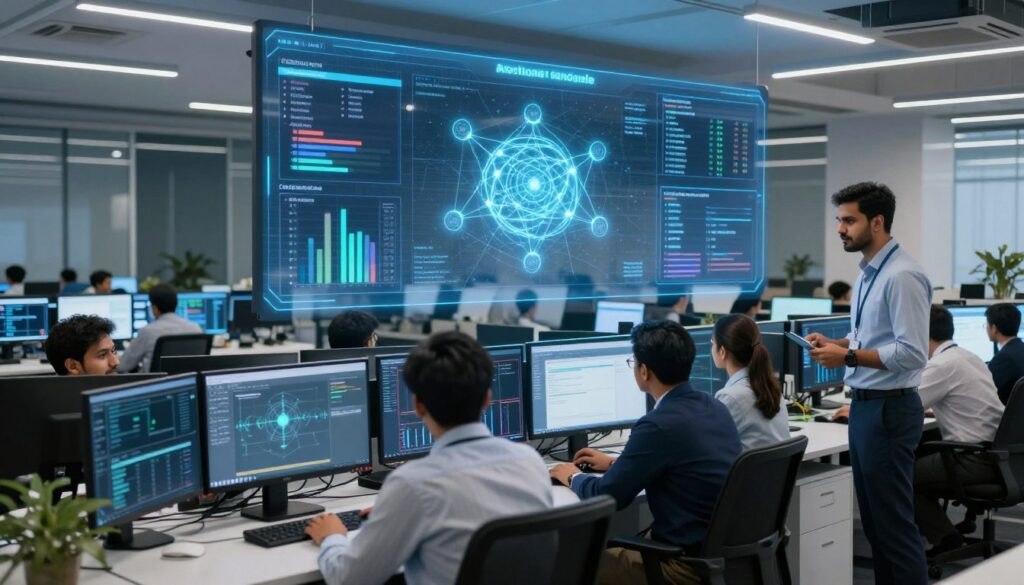
We believe that even companies with limited resources can benefit by starting with cloud-based platforms. This digital shift allows your team to focus on growth instead of manual entry. It creates a connected ecosystem that makes your daily operations much smoother.
Benefits of Asset Management Software
The perks of management software become immediately clear when you see all your information in one spot. This dedicated asset management software helps us maintain vital details like repair history and performance metrics. It is significantly more accurate and efficient than using basic manual tools like Excel.
By using this management software, we eliminate common errors and automate tracking tasks. It provides a clear view of your licensing status and asset condition at any moment. We’ve seen how this software transforms messy data into actionable business insights.
CMMS and EAM Systems
For teams managing physical equipment, a computerized maintenance management system (CMMS) is essential. This management software centralizes maintenance data and streamlines your physical operations. It is often part of larger enterprise systems to optimize the availability of your physical equipment.
A CMMS ensures that all relevant asset data stays stored in a single, accessible location. This management software makes it easy for anyone on the team to find what they need. Keeping physical assets in top shape becomes much simpler with these automated workflows.
Integration with Business Systems
We’ve found that the real power comes from connecting your different tools together. Integration lets data flow seamlessly between your asset register and your help desk. This ensures that your asset management software informs every decision across the whole organization.
A connected software ecosystem helps everyone from IT to finance make smarter choices. When your tools talk to each other, you reduce double-entry and save precious time. It allows your staff to work on high-value projects instead of fixing data gaps.
ERP Integration
Connecting your asset management software with ERP systems is a total game-changer for finance. This integration captures financial data during the acquisition, depreciation, and disposal phases. It provides a single source of truth for calculating the accurate financial value of your fleet.
Monitoring Systems Integration
Finally, monitoring systems provide another layer of value by tracking your network. They automatically discover new software or hardware and flag unauthorized devices. These monitoring tools are critical for maintaining information security and managing license costs effectively.
Master Software Asset Management and Licensing
We recognize that software asset management presents unique challenges compared to hardware. We deal with intangible assets that have complex licensing models. These software licenses often come with strict usage restrictions that can quickly become overwhelming for our expanding teams.
Centralize License Management on a Single Platform
Adopting a platform to manage software licenses significantly streamlines our IT process. We start by performing an inventory to identify every application. This helps us define which licenses we need and when they expire. By researching compatible tools, we find a solution that tracks software licenses effectively. A single platform brings all our subscriptions into one accessible location, preventing duplicate payments.
Track Usage and Compliance
Tracking goes beyond just knowing which licenses we own. It means actively monitoring who uses each application daily. We suggest using automated discovery tools to flag compliance issues or security risks. This proactive approach helps us stay within our legal terms while identifying any gaps in our digital portfolio.
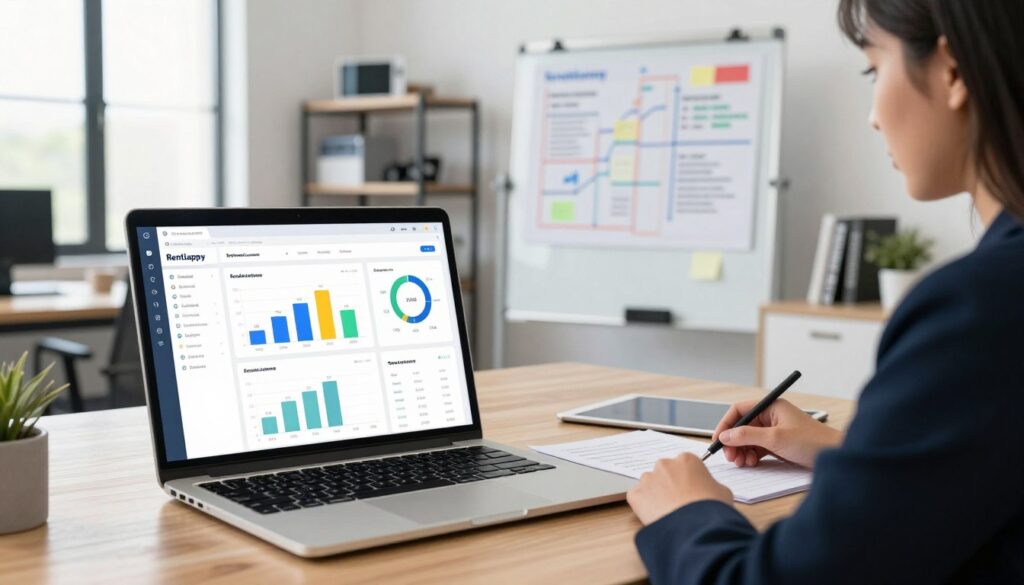
The goal isn’t just compliance but optimization: ensuring we have the right software licenses for the right users at the right price point.
Optimize Software Costs and Reduce Waste
Tracking actual usage patterns allows us to eliminate waste and lower total costs. We can cancel unused subscriptions or convert software licenses to more cost-effective licensing tiers. For growing companies in India, managing these software licenses is crucial for maintaining a lean budget. Regular reviews ensure every purchase is justified and contributes to our productivity.
| Asset Category | Management Priority | Compliance Risk |
|---|---|---|
| SaaS Subscriptions | Active usage | Low |
| Desktop Tools | Version control | High |
| Enterprise Plans | Seat allocation | Critical |
By optimizing our current compliance levels and reviewing our portfolio, we reduce hidden costs. This ensures we do not pay for capabilities that stay unused. Efficiency in management is the key to sustainable growth.
IT Asset Management Best Practices for Growing Companies
We believe that mastering a few core management best efforts can transform your IT department from a cost center into a strategic asset. Scaling a business in India brings unique challenges, but following asset management best practices ensures your technology supports your growth. We have distilled the most impactful asset management best strategies into six essential steps that you can implement today.
Implementing these best practices doesn’t require massive enterprise systems right away. It starts with a commitment to structured practices and regular discipline. As your organization scales, you can gradually build more sophisticated capabilities to keep your hardware and software efficient.
1. Maintain Real-Time Asset Visibility and Control
Maintaining real-time visibility and control is one of the most vital asset management best habits. You must always know what assets you have, where they are, and who is currently using them. This foundational practice prevents expensive losses and supports quick decision-making when your team needs new tools.
We recommend using automated monitoring tools to track the performance and security of every device. Establishing visibility helps you set baseline metrics for your entire fleet. When you know the condition of your gear, you can plan your budget with much higher accuracy.
2. Implement Predictive and Preventive Maintenance
We suggest moving away from reactive repairs toward a proactive maintenance schedule. Using data and historical patterns allows you to fix potential problems before they cause any downtime. These management best practices ensure that your equipment stays in top shape for longer periods.
Regular system scans and automated patch management best tools help keep your laptops secure. At RentLappy, we support this maintenance by providing well-maintained rental units that reduce your internal workload. Staying ahead of failures keeps your employees productive and happy.
3. Conduct Regular Self-Audits and Verification
Regular self-audits are essential for keeping your records accurate and matching reality. These management best practices help you find missing equipment or software compliance gaps early. We believe conducting audits is among the top best practices for avoiding legal or financial surprises.
Create a simple audit plan and stick to it every quarter. Identify any discrepancies between your list and your actual inventory to take corrective action. This discipline is one of those best practices that separate successful scaling companies from those that struggle with waste.
4. Prioritize Assets Based on Business Impact
Not all tech is equal, so you should prioritize assets based on their business impact. Use a risk strategy to focus your limited resources on mission-critical systems first. This asset management best approach ensures that your most important work never stops due to a hardware failure.
Develop service level agreements (SLAs) that define how quickly you should fix specific devices. You can use management best software to track priority levels for every department. Focusing on usage and importance helps you invest your money where it counts the most.
5. Share Data Across Teams for Better Decisions
Sharing data across your finance, IT, and operations teams breaks down information silos. When everyone sees the same data, collaboration improves across the whole organization. This is one of the best practices that lead to much smarter procurement and spending.
We encourage you to analyze trends and issues together to see the complete story of your tech stack. Transparent practices help every department understand the true cost of the tools they use. This shared knowledge makes it easier to justify new investments or rental shifts.
6. Continuously Improve Your ITAM Strategy
Always treat your ITAM strategy as an evolving process rather than a one-time project. Collect feedback from your users and stay current with the latest asset management best practices in the industry. As your company grows in India, your asset management best approach must adapt to new technologies.
Regularly review your practices to see what works and what needs a change. Implementing these management best practices progressively will build a mature and resilient organization. We are here to help you refine these best practices by offering flexible rental solutions that scale with you.
| Strategy | Key Focus | Outcome |
|---|---|---|
| Real-Time Visibility | Tracking location and user | Reduced asset loss |
| Preventive Maintenance | Scheduled updates and scans | Higher system uptime |
| Self-Audits | Internal record verification | Better compliance |
| Data Sharing | Cross-team collaboration | Smarter financial decisions |
Hardware Asset Management Strategies for Growing Teams
Hardware asset management presents specific hurdles for growing teams, from tracking mobile laptops to managing stationary servers. We understand the struggle of monitoring physical devices that move between home offices and the main headquarters. Managing desktops and networking equipment across expanding sites requires a smart, centralized approach to maintain control.
Our experience shows that successful scaling depends on how well you handle your physical inventory. Keeping a clear tracking history for every piece of hardware ensures your team stays productive without missing a beat. This proactive stance prevents loss and helps you plan for future expansions with confidence.
Track Physical Assets with Modern Technologies
Modern asset tracking has evolved through massive technological breakthroughs that make monitoring easier than ever. You can now use affordable solutions to watch over your inventory with extreme precision. These tools reduce manual errors and provide a real-time view of where your devices are located.
RFID Tags and QR Codes
QR codes offer a low-cost way to perform basic tracking with just a standard smartphone. For more advanced needs, RFID tags broadcast detailed data like location and even environmental temperature. These systems provide automated inventory counts that save your team significant time and effort during audits.
GPS and Wi-Fi Tracking Systems
Wi-Fi tracking works exceptionally well indoors within your local network range for devices like tablets and printers. If your assets are in transit or used by field teams, GPS technology allows you to see their location anywhere on the globe. These systems help prevent theft and significantly improve how you use your high-value equipment.
Consider Flexible Acquisition Models for Cost Efficiency
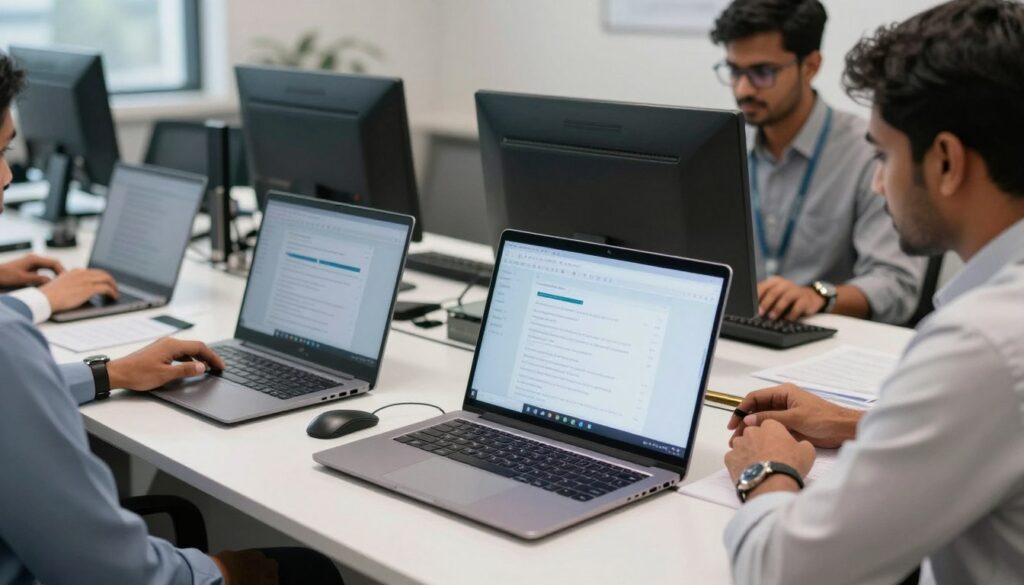
We strongly encourage you to look at flexible models to manage your technology costs. Laptop rental services for businesses in India have become a game-changer for scaling startups and established firms alike. Renting provides access to high-quality hardware without the heavy capital expenditures of traditional buying.
Benefits of Rental Solutions for Growing Companies
At RentLappy, we help hundreds of Indian companies access the devices they need through custom rental plans. You avoid the risk of outdated hardware and eliminate the burden of ongoing maintenance. Our rental solutions let you scale your inventory up or down instantly as your headcount fluctuates over time.
When to Buy vs. Rent IT Equipment
Consider how long you need the equipment and how fast technology changes in your specific industry. If you lack dedicated technical staff to handle repairs, renting is often the smarter strategy for your budget. We offer top-brand hardware from our Delhi base at D-97, Okhla Phase 1, to keep your operations running smoothly.
Maintain Accurate Hardware Asset Registers
We maintain accurate hardware asset registers for all our rental equipment to simplify your administrative tasks. Our team works with you to integrate these devices into your broader asset tracking systems. This ensures you have complete visibility and control over your fleet, whether the items are owned or rented.
Ready to optimize your inventory? Contact us at +91-60003 70013 or email sales@rentlappy.com to discuss your needs. We are here to help you reduce costs while maintaining the flexibility your growing company deserves.
Ensure Compliance and Risk Management
We know that following regulations and handling potential dangers might seem tedious, but these steps are vital for your long-term success. Strong IT asset management acts as your first line of defense against financial penalties and legal liabilities. As your company grows in India, these processes become the essential safety net for your digital infrastructure.
Meet Regulatory and Contractual Requirements
Meeting regulatory requirements involves ensuring your IT practices follow data protection laws like India’s Personal Data Protection Bill. What worked for a small team of 10 often fails to satisfy the compliance obligations you face at 100 employees. We must ensure our management strategies stay aligned with software vendor agreements and sector-specific compliance mandates.
| Compliance Area | Focus Point | Business Goal |
|---|---|---|
| Data Privacy | Local Storage Rules | Legal Safety |
| Software Licensing | Usage Audits | Penalty Avoidance |
| Disposal Policy | Data Wiping | Information Security |
Data management and storage requirements vary widely across different countries and evolve constantly. We recommend that scaling companies build flexible compliance frameworks that can adapt to these changes quickly. Proper compliance tracking ensures you are never caught off guard by a sudden audit or a change in local laws.
Manage Information Security Risks
Managing information security risks means knowing exactly what devices and software live in your environment. We have seen how poor management leads to security incidents when untracked devices containing sensitive data get lost. Real-time tracking reduces the risk of security breaches and helps prevent theft by providing full visibility into your inventory.
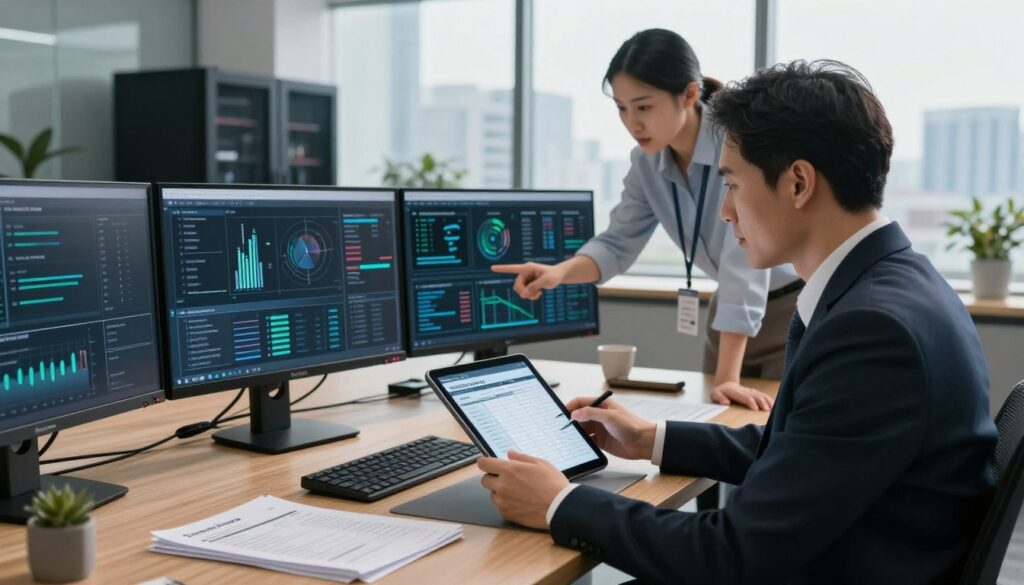
Effective security depends on assessing risks and implementing controls to address any vulnerability. When we identify unauthorized assets early, we stop potential security threats before they impact our operations. Our goal is to maintain high security standards that protect both our assets and our customer’s trust.
Document and Audit for Compliance
Documenting for compliance requires keeping detailed records of asset acquisition, usage, and disposal. Regular internal audits verify that your security processes work correctly before external parties arrive to sample your data. We recommend scheduling quarterly compliance reviews to verify software licenses and confirm that departed employees no longer have access.
Strong risk management protects your reputation from the damage that follows a data breach. By maintaining an accurate asset register, we satisfy the risk and compliance demands of modern governance. Use these steps to build a safer business:
- Verify that all decommissioned devices are properly wiped to meet security standards.
- Update your hardware register monthly to handle the risks of physical theft.
- Monitor all contractual requirements to ensure total compliance with your partners.
In the end, prioritizing these security measures helps us scale without the constant risk of legal or technical failure. We believe that proactive management is the best way to safeguard our collective future.
Integrate ITAM with IT Service Management Practices
We’ve found that treating IT asset management as an isolated silo is a mistake for any scaling business. Instead, we believe it should be the heartbeat of all your internal IT processes. When we integrate these functions, we create a unified system that improves daily operations and strategic planning.
This integration ensures that every individual asset provides maximum value throughout its entire lifecycle. It connects various departments, ensuring that data flows seamlessly between different teams. By doing this, we move from reactive fixes to a proactive management style that supports long-term growth.
Connect to Incident and Problem Management
Linking your technical support desk to your asset database allows your team to troubleshoot much faster. When an employee reports a technical issue, your technicians immediately see the support history and warranty status. This streamlined process helps us identify root causes and resolve recurring performance issues before they escalate.
Support Change and Configuration Management
Every time we update software or hardware, the deployment process must be captured accurately. Integration helps us understand the relationships between different assets and how they affect the broader network. By automating this process, we ensure our configuration management database remains a reliable source of truth for everyone.
Enable Service Financial Management
Strategic financial planning requires clear data on the total cost of ownership for all company assets. We use these insights to track depreciation and align our technology spending with enterprise policies. This makes the budgeting process far more predictable as we scale and invest in new support tools.
Accurate tracking of IT assets also helps us significantly in service request fulfillment. We can quickly handle user requests for asset assignment or decommissioning without unnecessary delays. This ensures that our business processes remain fluid and employee downtime is kept to a minimum.
Enhance Supplier Management
Effective management of vendor contracts relies on accurate data regarding performance and total costs. We can evaluate which suppliers offer the best support and negotiate better terms based on actual usage. This collaborative approach turns simple procurement into a strategic support function that provides ongoing technical support for your team.
| ITSM Practice | ITAM Integration Benefit | Business Impact |
|---|---|---|
| Incident Management | Instant access to asset details | Faster resolution times |
| Change Management | Visibility into asset relationships | Reduced risk of outages |
| Financial Management | Tracking total cost of ownership | Better budget accuracy |
The IT asset lifecycle reaches its maximum potential when leveraged in combination with other IT service management practices.
Optimize Costs and Maximize ROI Through Effective ITAM
We believe that your IT asset management strategy should focus directly on boosting efficiency and lowering overall spending. Every rupee you invest in technology must deliver measurable business value to ensure long-term success. By aligning your IT infrastructure with strategic goals, you turn technology from a burden into a powerful growth engine.
Effective utilization helps organizations acquire only the right resources. This leads to smoother service delivery and much higher profitability. When we treat ITAM as a financial tool, we can clearly see the return on every investment made.
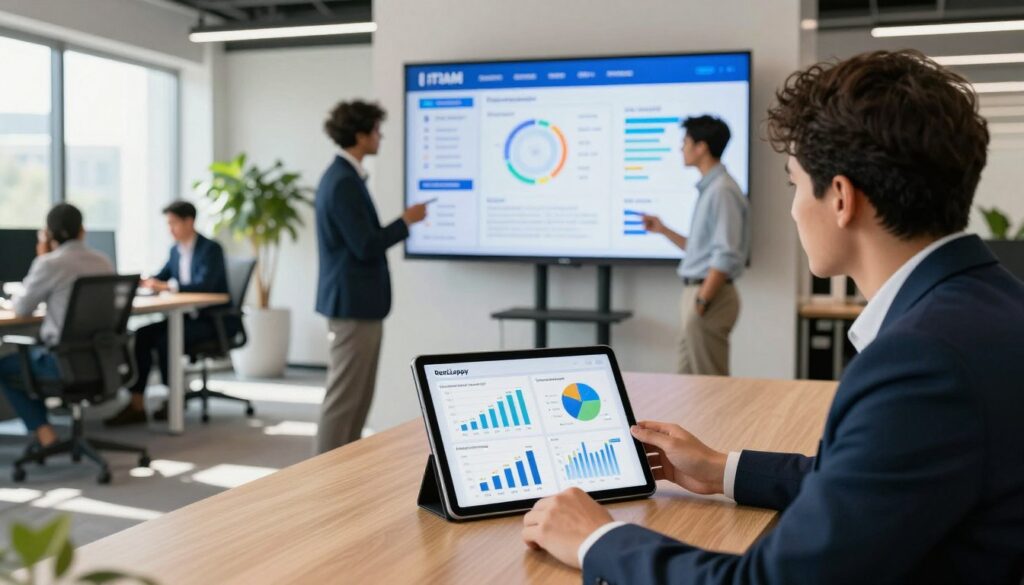
Identify Underutilized and Redundant Assets
Finding idle assets is often the quickest way to reduce costs for a growing company. You might find expensive equipment sitting in a storage room gathering dust. Sometimes, software licenses stay active for employees who left the company months ago.
We have seen businesses discover they were paying for three different project tools at once. In other cases, expensive laptops sat unused while new hires waited weeks for gear. Identifying these redundant assets allows you to reallocate or dispose of them to save money.
Measure Asset Utilization and Performance
We must track how intensively teams use their hardware and software. Measuring asset utilization requires establishing clear metrics that reflect real-world usage. Does the hardware meet your performance expectations every day?
If an asset does not support your business objectives effectively, it is time to rethink its place. Proper management ensures that every device works at its peak. This data-driven approach keeps your operations lean and prevents wasteful spending on underperforming tools.
Reduce Unnecessary Hardware and Software Costs
Visibility into usage patterns allows us to make smarter decisions about what to renew or eliminate. You can significantly lower your total cost of ownership by choosing flexible models. For example, purchasing 50 laptops for a new office requires a huge upfront investment and creates long-term depreciation costs.
RentLappy’s rental model offers a superior cost-optimization strategy for scaling teams. You only pay for what you need when you need it, which boosts your ROI. Renting provides the same high-end capabilities with predictable monthly costs and zero maintenance headaches.
Plan for Scalability and Growth
Your management approach must handle rapid expansion without losing control of the inventory. As your asset count multiplies, maintaining visibility becomes even more critical. We focus on systems that scale easily alongside your headcount.
- Predictable Budgeting: Rental models help you avoid massive capital outlays during growth spurts.
- Resource Efficiency: Only deploy assets that directly contribute to your current projects.
- Operational Agility: Quickly swap out old tech for newer models to maintain high efficiency.
Planning for the future ensures that your business remains competitive. By focusing on smart utilization, you ensure that your technology budget always works in your favor. This transforms IT into a strategic partner that drives your company forward.
Build a Future-Ready ITAM Strategy
A forward-thinking approach to managing your digital and physical tools ensures your business remains agile in a fast-paced market. We believe that an effective asset plan is not a one-time project but a roadmap for long-term growth. By looking ahead, we can help you anticipate shifts in work models and digital trends.
Our focus is to help you create a strategy that scales as your team grows across India. This involves moving beyond manual tracking and adopting smarter workflows that save time and money. It is about staying prepared for what comes next.
Embrace Cloud and Hybrid Asset Environments
In the modern era, management must cover more than just physical desks and chairs. Your strategy must account for SaaS subscriptions, virtual machines, and cloud infrastructure. These digital assets require a different monitoring approach than traditional hardware.
We suggest using a CMDB to map these cloud assets for better visibility. This helps you track costs and maintain security standards across distributed teams. An effective asset policy ensures your cloud spending stays under control while your team stays productive.
Leverage AI and IoT for Asset Monitoring
Modern technology now allows us to use AI-powered monitoring to predict when a device might fail. This proactive asset care reduces downtime and helps extend the life of your equipment. Using IoT devices can deliver real-time data on how often assets are actually used.
By aggregating data from different silos, we can improve security and reduce false alerts. This saves time for IT managers who need to focus on critical tasks. Intelligent systems make it easier to maintain an effective asset lifecycle without constant manual effort.
Building a resilient foundation for your company’s growth starts with a strategy that adapts to new digital shifts.
Invest in Continuous Improvement
A future-ready strategy is a living program that evolves with your business needs. We encourage you to regularly reassess your management practices to find areas for improvement. This helps you adopt new best practices as your organization becomes more sophisticated.
Staying updated on security patches and software versions is a key part of this process. It ensures your asset inventory remains a reliable source of truth. Continuous monitoring of your processes will help you stay ahead of the competition.
Partner with Reliable Technology Providers
Partnering with experts is vital for growing companies that want to avoid huge capital costs. At RentLappy, we act as your strategic partner across India, providing high-quality hardware and expert guidance. We help you implement a strategy that balances performance with security and cost.
Our experience with startups and schools gives us unique insights into the management hurdles you face. We provide flexible technology arrangements that grow with you. Let us help you save time and protect your assets while you focus on your core mission.
| Feature | Traditional ITAM | Future-Ready ITAM |
|---|---|---|
| Focus Area | Physical Hardware Only | Cloud, Hybrid, and Physical |
| Data Entry | Manual Spreadsheets | AI-Powered Automation |
| Security | Reactive Fixes | Proactive Monitoring |
| Scalability | Slow and Costly | Flexible and Rapid |
Conclusion
Finalizing your strategy for handling technology investments marks the first step toward building a resilient digital foundation. We have explored how proper asset management helps growing organizations control costs while supporting sustainable growth. From lifecycle planning to automation, these practices work together to transform your business operations effectively.
We know that implementing comprehensive management can feel overwhelming for teams with limited resources. You can start small by creating your first inventory or defining basic policies. The most important step is simply beginning your journey toward improved efficiency and control today.
At RentLappy, we are committed to helping you access the specific assets required for your daily needs through smart asset management practices. Whether you require one laptop or bulk equipment, we provide high-quality assets with flexible terms. Our management expertise ensures you maximize value while we handle the technical logistics for you.
Contact us at our New Delhi office in Okhla Phase 1 to discuss your technology needs. Call +91-60003 70013 or email sales@rentlappy.com to find solutions that boost your efficiency. By choosing us, your business gains flexibility while we provide reliable assets. Modern organizations deserve a partner that understands their unique asset management and management needs.